
Access, abuse and the hidden cost of throughput
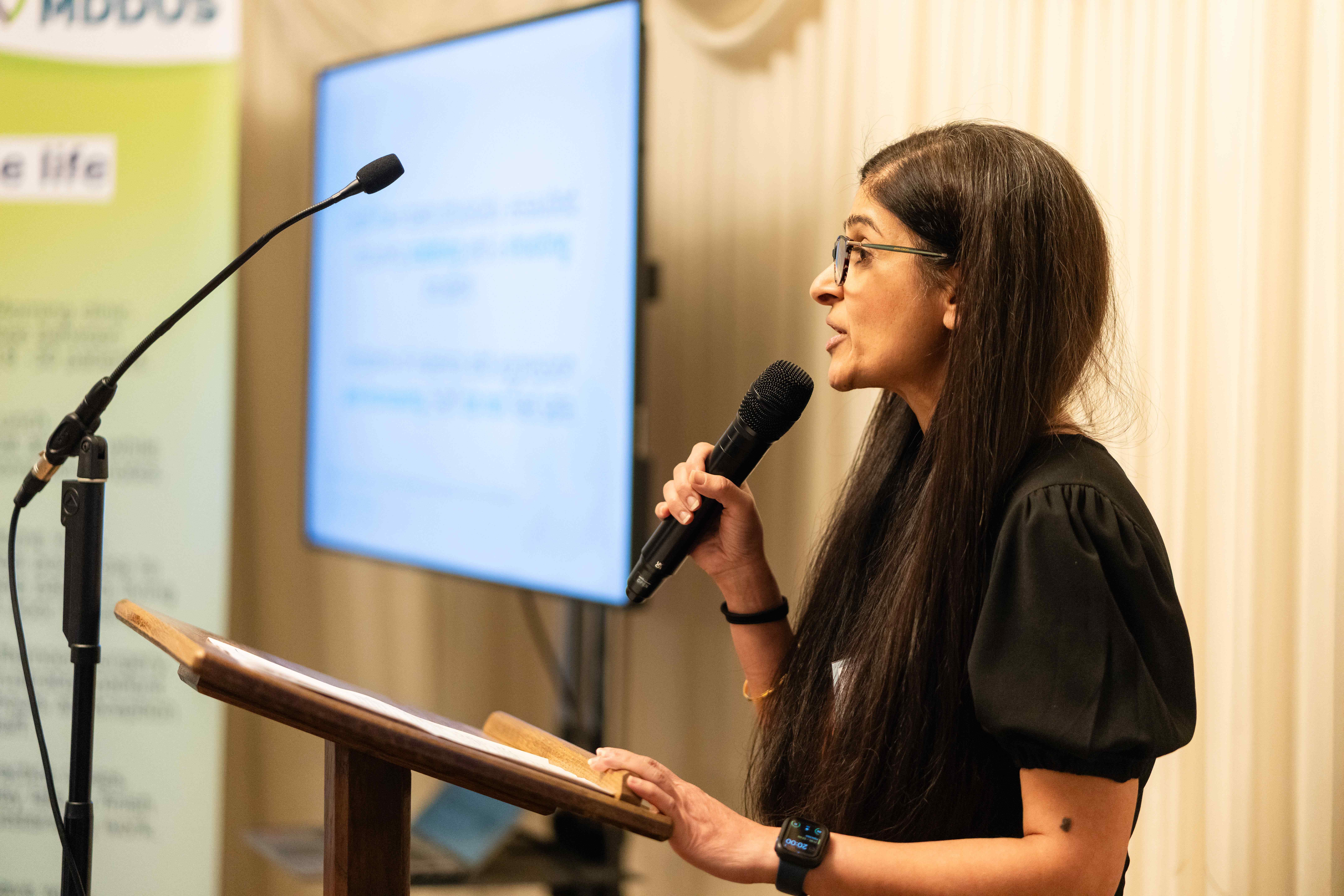
Author: Dr Roopinder Brar | Date: 13 April 2026
At a glance:
- Rising levels of verbal and physical abuse towards GPs are becoming a routine part of practice but are missing from official access and appointment metrics.
- MDDUS research shows abuse and emotional distress are widespread, signalling systemic strain rather than individual fragility.
- The article argues that improving access alone is not enough and warns that normalising hostility towards clinicians risks patient safety and workforce sustainability.
None of this will appear in the GP appointment statistics.
Not the patient who leaned across my desk and loudly accused me of not caring. Not muttered threat as a consultation ended. Not the complaint that came in after the practice doors closed.
Yet these are now routine features of general practice in the UK.
We are getting better at counting access. We know how many appointments were delivered this month compared with last. We track response times, triage volumes and digital contacts. In general practice, activity has risen steadily and teams have worked hard to make that possible.
What we don’t measure is the relational climate in which those appointments take place, and that omission matters.
A recent UK wide survey by the Medical and Dental Defence Union of Scotland (MDDUS) found that 68 per cent of doctors had experienced verbal abuse from patients in the previous year and 23 per cent reported physical abuse. Nearly a third said they had cried at work in the past three months. These figures shouldn’t be read as evidence of fragility. They are indicators of a working environment that is becoming harder to sustain.
Most patients remain respectful. But it would be disingenuous to pretend that hostility is rare.
In many practices and hospitals, it has become an anticipated part of the day. Reception teams brace themselves for the first confrontational call. Clinicians prepare for consultations that may pivot abruptly from distress to accusation.
As access has expanded, the texture of work has shifted. More appointments are available and the government is promising more. Online consultation options have lowered thresholds for contact. Same day demand is high and visible.
These developments have improved responsiveness for many patients, but they’ve also intensified the interface between public expectation and finite capacity.
In that compressed space, frustration surfaces quickly. When waits feel too long or outcomes fall short of hope, the doctor in front of the patient becomes the embodiment of a wider system. We explain thresholds, justify decisions and absorb dissatisfaction.
Over time, repeated exposure to anger alters the emotional tone of practice.
Abuse is often framed as an unfortunate but inevitable byproduct of pressure. Yet when more than two thirds of doctors report experiencing it, inevitability begins to look like normalisation and, it’s normalisation where risk takes hold.
It shapes consultations. A clinician who has faced repeated hostility may shorten explanations, avoid contentious topics or practise more defensively. It influences career trajectories, contributing to decisions to reduce sessions or leave the NHS for abroad. It erodes the sense that medicine is a sustainable long-term vocation.
Throughput solutions alone cannot address this, because they do not account for the conditions in which care is delivered. Increasing appointment numbers can improve access metrics, but they don’t automatically improve the experience of delivering care. A system can seem more open while offering less protection to the professionals working within it.
Surveys by MDDUS of our membership situates these findings within a broader discussion about wellbeing and workforce sustainability across the UK. It doesn't sensationalise them. Instead, it presents them as signals. That framing is important. This is not about individual resilience deficits. It's about whether current service models adequately protect the people expected to sustain them.
Policymakers are focused on access, knowing that patients value timely care. But while efforts to expand capacity reflect a commitment to responsiveness, I encourage policymakers to remember that responsiveness without relational safety is brittle.
Medicine depends on a degree of mutual trust. The consultation works because both parties accept certain boundaries. If those boundaries are repeatedly breached through verbal or physical abuse, the psychological safety required for careful clinical reasoning is undermined. That's not a sentimental concern but a patient safety issue.
We wouldn't ignore repeated equipment failure in a clinical environment. We would investigate patterns, assess risk and redesign processes. Persistent abuse deserves similar seriousness. Clear reporting mechanisms, visible organisational backing for staff and consistent messaging that threatening behaviour is unacceptable are practical measures. They signal that access and staff safety are not competing priorities.
It's also worth asking what we mean by success in general practice. If we deliver more appointments than ever before, yet a significant proportion of doctors report regular abuse and emotional distress, can we consider the model stable?
Crying at work is not a performance indicator. It's a signal that the system is under strain. When it becomes common, it suggests that the system’s margins are thin.
Improving access is necessary. Protecting the conditions in which care is delivered is vital. The challenge is not to choose between them but to recognise that they are interdependent. A service that is easier to reach but progressively harder to work within will struggle to retain the experienced clinicians on whom continuity and safety depend.
The conversation we now need is not about how many appointments we can provide. It's about the environment in which those appointments occur and whether we are prepared to treat rising abuse as a core design issue rather than allow it to become normalised background noise.
MDDUS members can access resources on dealing with complaints in general practice on our main site.
This page was correct at the time of publication. Any guidance is intended as general guidance for members only. If you are a member and need specific advice relating to your own circumstances, please contact one of our advisers.
Elsewhere in MDDUS
FAQs
-
Who is MDDUS?
MDDUS is the Medical and Dental Defence Union of Scotland. It is a mutual organisation that supports doctors, dentists and healthcare professionals by providing professional indemnity, expert advice and representation, and by advocating on issues affecting medical and dental practice.
-
What is News.MDDUS.com for?
News.MDDUS.com provides news, insight and expert commentary on issues affecting doctors, dentists and healthcare professionals. It explains key topics such as wellbeing, regulation and workforce pressures, helping journalists, policymakers and stakeholders understand the challenges facing healthcare today.
-
Where can I find MDDUS membership information?
MDDUS membership information is available on the main MDDUS website. Visit www.mddus.com to find details about joining, member benefits, professional support services and official guidance for doctors, dentists and healthcare professionals.
-
How do I contact MDDUS with media enquiries?
Media enquiries should be directed to the MDDUS press team. Journalists can contact the MDDUS press team by telephone on 07976 886 552 or by email at press@mddus.com to request information, comment or expert insight.