
My experience as an IMG doctor in Scotland
Author: Dr Zain Alabdeen Al-Mosawy | Date: 13 February 2026
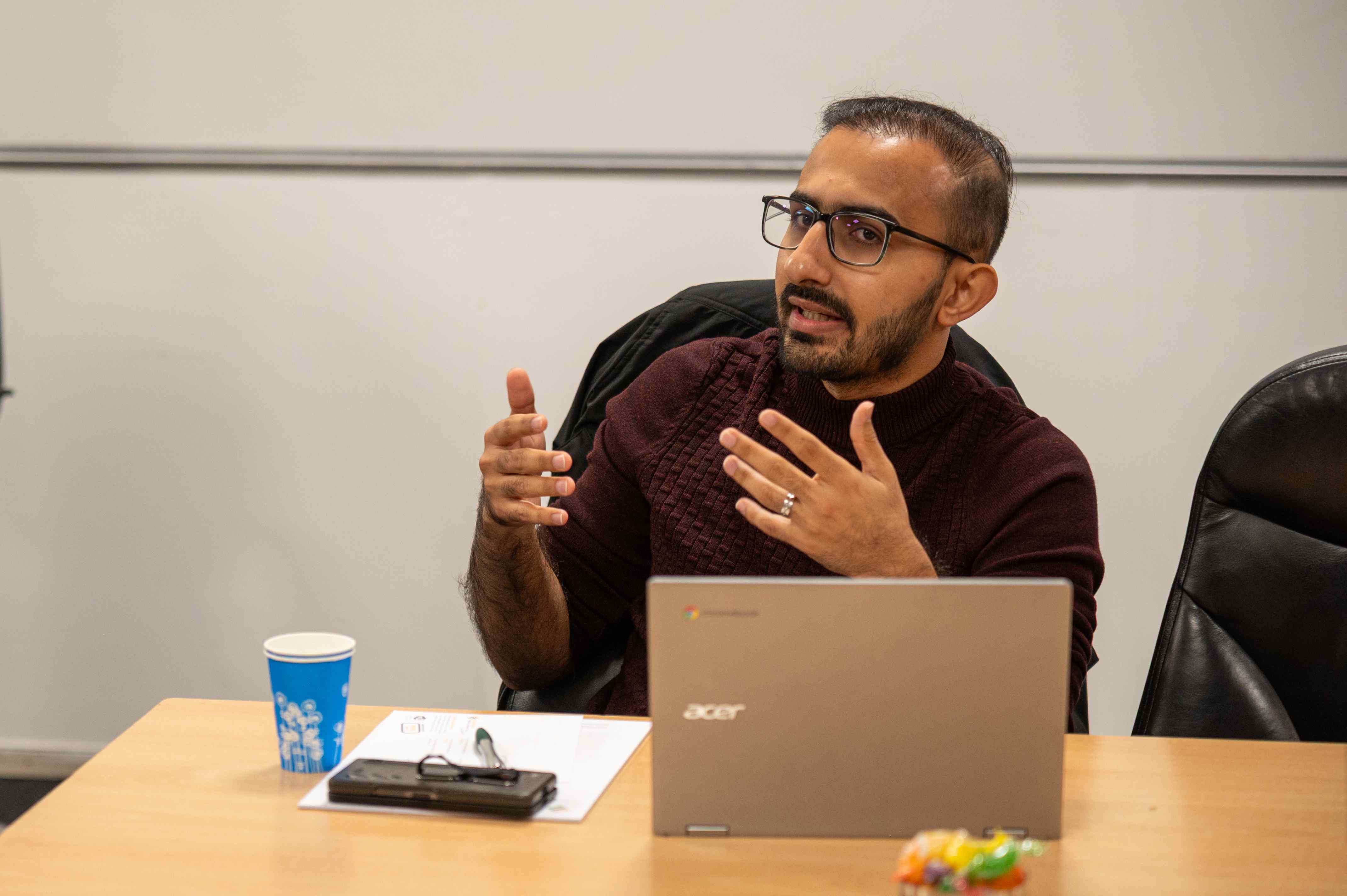
At a glance:
- Dr Zain Alabdeen Al-Mosawy recounts a long, uncertain PLAB journey marked by delays, visa issues, and the feeling of falling behind peers back home.
- Early experiences in the UK brought practical and cultural challenges, from language misunderstandings to navigating daily life without familiar support.
- Adapting to the NHS proved overwhelming at first, reinforcing the need for ongoing, not one off, induction for IMGs.
- The emotional weight of loneliness, cultural displacement, and divided focus affects IMGs’ wellbeing and exam performance, yet the journey ultimately builds strength.
I came to Scotland in 2023 from Basrah in Iraq, although the journey started long before that.
I graduated in 2019, then worked through the long and uncertain PLAB pathway. My visa for PLAB 1 was refused once, my dates shifted repeatedly and every small number on the timeline represented a life event rather than an administrative step.
By the time I finally arrived in Britain I had spent years feeling that I was falling behind.
My peers at home were progressing through specialty training and settling into their lives while I was starting again in a new country. It took me a long time to realise that this is not a race and that every IMG carries a different history and a different pace.
I chose the PLAB route because I wanted to build a long-term medical career in the UK.
I knew it would be demanding and uncertain, but the training structure here offered opportunities and stability that I could not access at home.
On arrival in the UK, I had plans in place. I had booked a hotel and arranged to get keys to a flat the next day. Still, small parts of my plan began failing immediately. The only restaurant open would not accept my card and I ended up eating biscuits for dinner.
Read more: Hear from our Head of Medical
A friend arrived to find his hotel demanding a security deposit his bank card could not process. These are ordinary mishaps, but when you have crossed the world alone, they feel like failures in your own preparation.
Language added another layer of complexity and confusion I had never considered. I actually arrived thinking my English was good... then I tried to buy a duvet.
At my first attempt, I asked for what I pronounced a “dovet” in two different shops and left convinced the town did not in fact use blankets. Only when a third shopkeeper asked me what I meant did I discover that the written “t” is silent. I walked half an hour to Morrisons to buy the thing I was after, embarrassed and amused in equal measure.
Food mattered to me more than I could have expected. Iraq has little scenery, so food carries much of the colour of life. I survived on pizza for two weeks until I found an Afghan restaurant with biryani.
Believe me when I say that I nearly cried with relief.
These practical worries never entirely disappear. I still do not understand the tax system, although UK colleagues tell me this doesn’t make me unusual because they don’t either.
Work in the NHS added a different kind of shock. The induction overwhelmed me when I first entered the system, and by the time I reached Scotland I had eighteen months of experience, yet I still found myself learning things I had misunderstood or done incorrectly.
In my experience, new IMGs often stay silent during induction because the questions that matter the most can sometimes feel too basic to ask. It is why I believe induction should be seen as a continuous process rather than a single day.
Cultural differences can be unexpected. I learned only gradually that in Scotland a “wee one” is a child, not a euphemistic reference to urine. I learned that “aye” means yes. I learned not to stand when a consultant enters the room. Of course, none of this is serious, yet each one reminds you how far you are from the norms you grew up with.
Loneliness is harder. My first two weeks were the most difficult of my life. I later married, which eased some of that weight, but the feeling of being suspended between two homes has never entirely left. Many IMGs live with the same feeling of not quite belonging here and no longer fully belonging back home.
People often ask why IMGs have lower exam pass rates. There will be many reasons but one that’s unique to us is that your mind is always divided. While revising you are also thinking about visas, mortgages you cannot yet take, families far away and whether you will be asked to move again just as you begin to settle. When everyone around you seems anchored, you feel in motion.
This is my journey. It is not easy, but it has made me stronger and more aware of what other IMGs face every day.
Read more: In the same storm, not in the same boat.
This page was correct at the time of publication. Any guidance is intended as general guidance for members only. If you are a member and need specific advice relating to your own circumstances, please contact one of our advisers.
Elsewhere in MDDUS
FAQs
-
Who is MDDUS?
MDDUS is the Medical and Dental Defence Union of Scotland. It is a mutual organisation that supports doctors, dentists and healthcare professionals by providing professional indemnity, expert advice and representation, and by advocating on issues affecting medical and dental practice.
-
What is News.MDDUS.com for?
News.MDDUS.com provides news, insight and expert commentary on issues affecting doctors, dentists and healthcare professionals. It explains key topics such as wellbeing, regulation and workforce pressures, helping journalists, policymakers and stakeholders understand the challenges facing healthcare today.
-
Where can I find MDDUS membership information?
MDDUS membership information is available on the main MDDUS website. Visit www.mddus.com to find details about joining, member benefits, professional support services and official guidance for doctors, dentists and healthcare professionals.
-
How do I contact MDDUS with media enquiries?
Media enquiries should be directed to the MDDUS press team. Journalists can contact the MDDUS press team by telephone on 07976 886 552 or by email at press@mddus.com to request information, comment or expert insight.