
Surviving and thriving in your Foundation Year
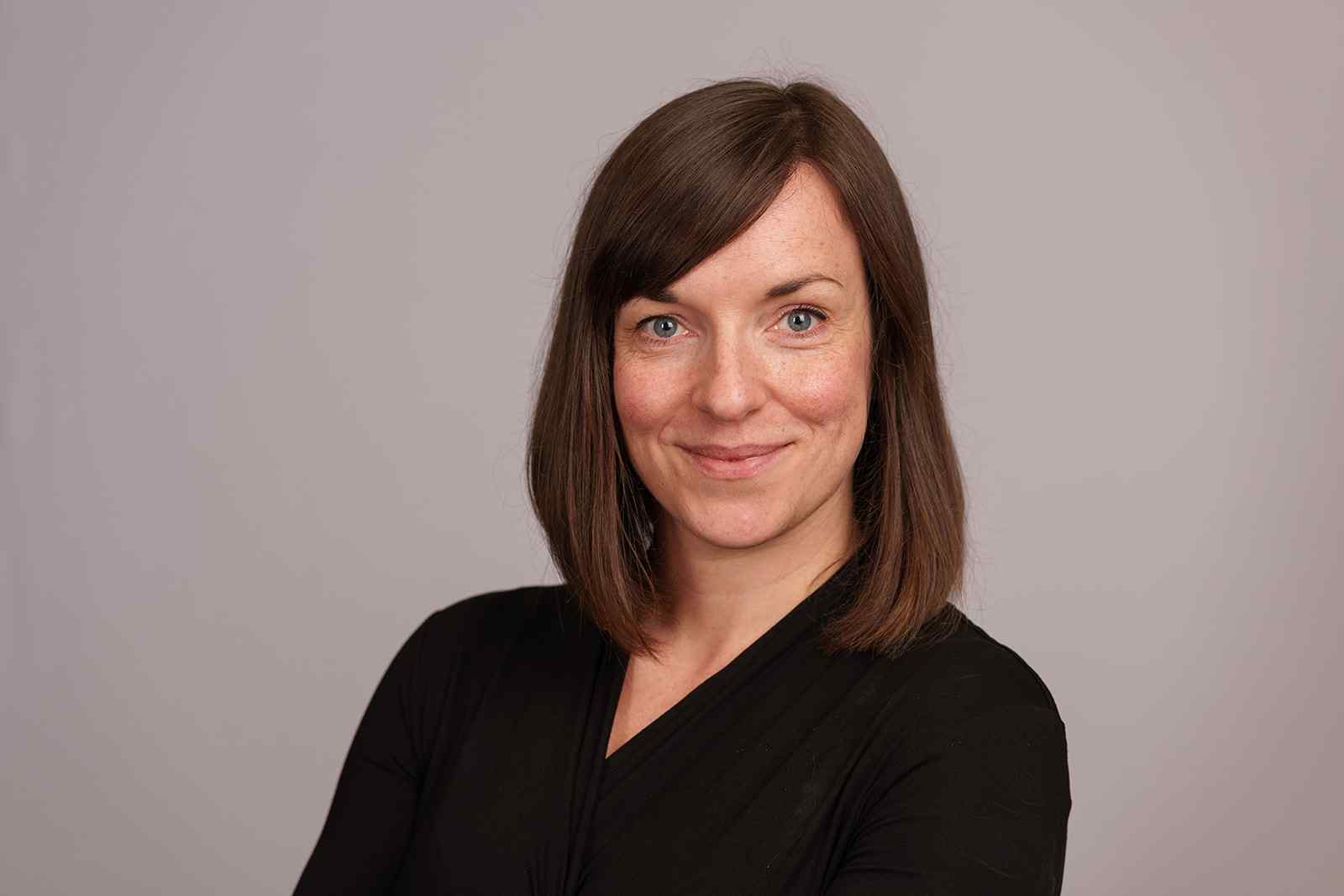
Author: Dr Kate Arrow | Date: 13 February 2026
At a glance:
- Many new doctors find their foundation years challenging.
- It’s important for foundation doctors to develop habits that will support the rest of their career.
- Dr Arrow offers advice to foundation doctors on finding work-life balance, building working relationships and looking after their mental and physical health.
I can still vividly remember working as a foundation doctor in a 30-bed gastroenterology and cardiology ward. My heart racing on the bus to work on my first day; the ward rounds spent making job lists as long as my arm; the race to radiology to state my patient’s case for an urgent scan, and the reward of cannulating a patient who told me, ‘That wasn’t as bad as I expected’.
Starting work is a huge landmark and in my experience, the combination of building new working relationships, constantly learning every day and striving to do my best for my patients was exhausting. And that was before I thought about what to have for dinner or the state of my flat!
It’s natural to feel anxious, worn out or, as one redditor put it, “cursed” during your foundation years. Your first two years of medicine will be one of the most intensive periods of learning you will experience in your life, and the memories of the people you meet and the patients you care for will stay with you for your entire career.
Here’s my advice for getting through your foundation years and building habits you’ll use for the rest of your career:
Don’t ever feel alone
I remember feeling lonely as an FY. I didn’t feel I had time to stop for lunch and never finished on time. After a few months I ventured to the canteen with a few of the other doctors and discovered that by taking a break, getting to know them and discussing work, I was re-energised and often found the answers to some of the problems I was facing.
Remember that even the most prestigious consultant started where you are, and it can be really helpful to discuss any issues you are facing with a trusted senior.
You won’t know everything
In medicine we are rewarded for knowing the right answers and I found it tough to admit I didn’t know a guideline or treatment plan when everyone around me seemed so confident.
As I gained experience, I realised that it’s always better to voice your uncertainties, get a consensus agreement or ask for help, rather than spend hours trying to find the most recent version of a guideline or worrying that someone else might have made a different plan. Over the years, I’ve learned that everyone in the room learns something when someone raises a question.
It’s ok to say no
It’s common to be asked to take on extra shifts, a QI project or maybe even to help out with some research. Most of us want to be helpful and take opportunities which will benefit our CVs. However, it’s essential that you take time to think about when you can squeeze in this work and whether it will compromise the other important things in your life. Say yes to only the projects or work which you feel are really important or spark your interest, politely decline the rest.
Be kind to your body
Sleep, good food, staying hydrated, getting fresh air and exercise. As doctors, we all know how important these basics are. But are we following our own advice?
Try to fit in healthy habits where you can. Even a quick walk on your lunch break and ensuring you get at least one night of good rest on your days off can make all the difference.
Be kind to your mind
It can be easy to ruminate over clinical cases or other work-related matters when your mind has time to rest. Practice strategies to help your mind rest and focus on your personal life when not in work.
Plan conversations or meet ups with friends, step away from social media and make time to focus your mind on non-work-related activities. Whether it’s cooking a meal, watching a TV series or getting outdoors, it’s important to give your mind a break from work.
Your foundation years are just the start of your career. Exciting and frightening in equal measure, there’s no doubt that they’re tough. Finding the balance of work and life means setting your boundaries, priorities and learning habits you’ll be glad of in the future.
You’ve already managed the competing demands of medical school to reach this point, and the skills you develop, patients you see and colleagues you work with now will help you to grow into the doctor you always believed you could be.
Good luck, foundation doctors! We’re all rooting for you.
If you’re a member of MDDUS, you have free access to wellbeing support developed specifically for healthcare professionals. Learn more about Wisdom Wellbeing here. Other sources of support are also available in our wellbeing hub. Find out more about student and FY membership here.
This page was correct at the time of publication. Any guidance is intended as general guidance for members only. If you are a member and need specific advice relating to your own circumstances, please contact one of our advisers.
Elsewhere in MDDUS
FAQs
-
Who is MDDUS?
MDDUS is the Medical and Dental Defence Union of Scotland. It is a mutual organisation that supports doctors, dentists and healthcare professionals by providing professional indemnity, expert advice and representation, and by advocating on issues affecting medical and dental practice.
-
What is News.MDDUS.com for?
News.MDDUS.com provides news, insight and expert commentary on issues affecting doctors, dentists and healthcare professionals. It explains key topics such as wellbeing, regulation and workforce pressures, helping journalists, policymakers and stakeholders understand the challenges facing healthcare today.
-
Where can I find MDDUS membership information?
MDDUS membership information is available on the main MDDUS website. Visit www.mddus.com to find details about joining, member benefits, professional support services and official guidance for doctors, dentists and healthcare professionals.
-
How do I contact MDDUS with media enquiries?
Media enquiries should be directed to the MDDUS press team. Journalists can contact the MDDUS press team by telephone on 07976 886 552 or by email at press@mddus.com to request information, comment or expert insight.