
Crying at work not uncommon for half of Gen Z doctors in the NHS, survey finds
Author: MDDUS | Date: 19 May 2026

At a glance:
- Gen Z doctors are disproportionately overwhelmed, with a higher number reporting they’ve cried at work in the past three months compared to experienced colleagues.
- Structural pressures from the cost of living and disrupted sleep to poor rota coordination and limited study time are the cause.
- Young doctors say they are losing faith in the NHS, with nearly half no longer optimistic about its future.
HBO's smash-hit medical drama 'The Pitt' has been bringing to life a 15-hour shift in a US hospital's ER department one episode at a time.
Critics have hailed the series as one of the most realistic medical dramas yet created. Part of the show's focus is on the experiences of the medical students, interns and resident doctors dropped into the chaos of a fictional emergency department in Pittsburgh and learning to sink or swim.
Back on this side of the Atlantic, how are our young doctors coping in a healthcare system which both the public and professionals agree is “under crisis”?
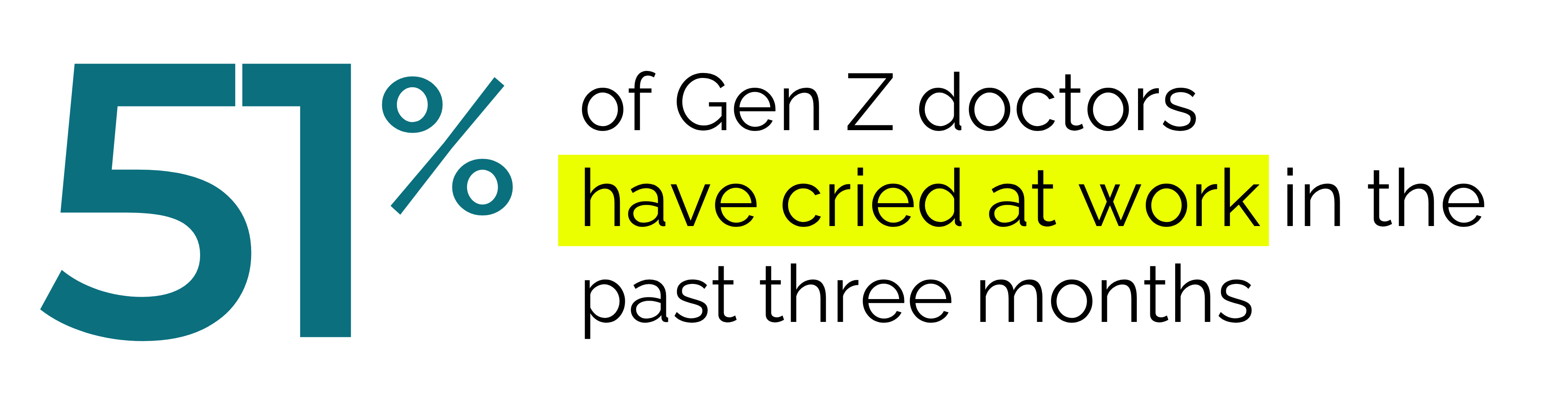
A recent survey by MDDUS found that 51% of new doctors had cried at work in the past three months due to stress, overwhelm and exhaustion. This was significantly higher number than among more experienced doctors (32%).
It can be argued that with more experience comes a greater ability to cope with stress, as well as the practical skills needed to confidently face difficult experiences. However, on top of this, Gen Z doctors today face stacked structural pressures early on in their careers.
These can routinely include needing to move to the other side of the country on sometimes randomly assigned placements, taking young doctors away from their support networks; dealing with the increased cost-of living, and struggling to fit in time to study, all add strain on top of an already overwhelming experience.
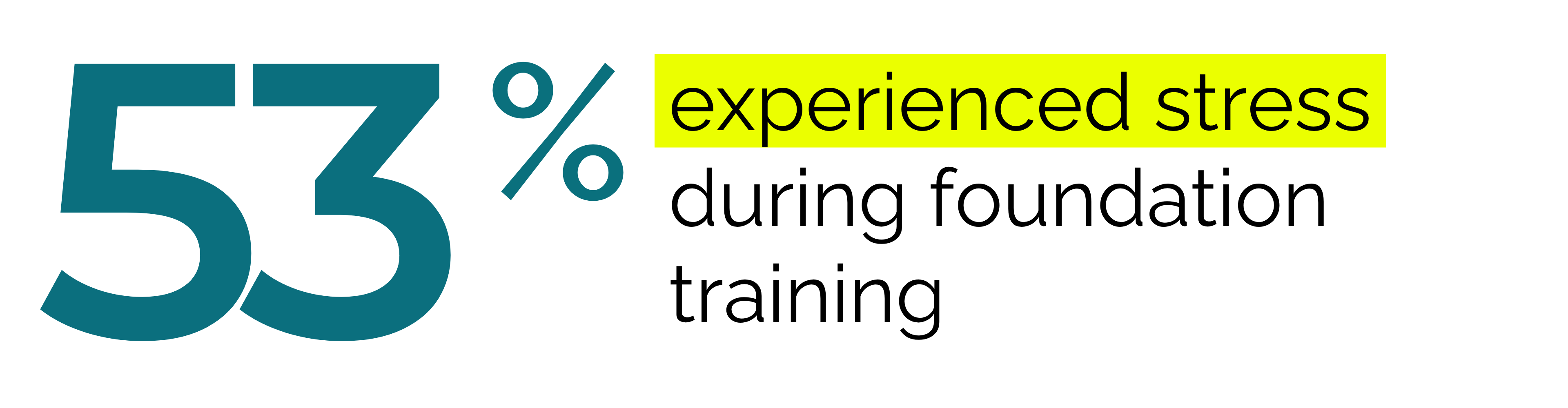
Of the panel of nearly 200 Gen Z doctors and medical students aged between 18 and 27 that MDDUS surveyed, a significant number said they had experienced a mental health concern during their education and foundation training, such as stress (53%), anxiety (47%) and depression (19%).
The main factors contributing to their mental health concern were:
- The cost of living (46%)
- Disruption to sleep from night shifts (38%)
- Lack of time to study (36%)
- Poor rota coordination (35%)
- Living away from their support network (30%)
Read more: Surviving and Thriving in your Foundation Year
One doctor said: “Foundation training was difficult because I had to move away from my support network. This made what is an already difficult period even more challenging and I had some rotations that were particularly unsupported, which further compounded the issue.”
Another said: “I cried during my second week of work as an FY1. I was looking after a really unwell patient and I felt out of my depth, because it’s scary being responsible for someone that unwell. Then, when someone was sharp with me, it tipped everything over and I suddenly felt like I needed to cry.”

Soaring dissatisfaction among Gen Z healthcare staff has previously been reported as a “ticking timebomb” for the NHS, with research from the Nuffield Trust highlighting that over half (52%) of Gen Z staff have been made unwell by work-related stress.
And nearly half (49%) of doctors and medical students age 18-27 told MDDUS they are no longer optimistic about the future of the NHS. The majority (80%) confessed they’d considered leaving full-time NHS work in the future, whether by reducing their hours, moving abroad, or leaving medicine entirely.
The results come from a survey conducted by the MDDUS of ‘Gen Z’ doctors aged between 18-27 in October 2025. The survey received 195 responses, 94 of which were MDDUS members and 101 a sample group sourced by the opinion pollster, Survation.
For more on how MDDUS supports student and FY doctors, visit: https://www.mddus.com/students
MDDUS members can also access a free, confidential wellbeing support service.
This page was correct at the time of publication. Any guidance is intended as general guidance for members only. If you are a member and need specific advice relating to your own circumstances, please contact one of our advisers.

Elsewhere in MDDUS
FAQs
-
Who is MDDUS?
MDDUS is the Medical and Dental Defence Union of Scotland. It is a mutual organisation that supports doctors, dentists and healthcare professionals by providing professional indemnity, expert advice and representation, and by advocating on issues affecting medical and dental practice.
-
What is News.MDDUS.com for?
News.MDDUS.com provides news, insight and expert commentary on issues affecting doctors, dentists and healthcare professionals. It explains key topics such as wellbeing, regulation and workforce pressures, helping journalists, policymakers and stakeholders understand the challenges facing healthcare today.
-
Where can I find MDDUS membership information?
MDDUS membership information is available on the main MDDUS website. Visit www.mddus.com to find details about joining, member benefits, professional support services and official guidance for doctors, dentists and healthcare professionals.
-
How do I contact MDDUS with media enquiries?
Media enquiries should be directed to the MDDUS press team. Journalists can contact the MDDUS press team by telephone on 07976 886 552 or by email at press@mddus.com to request information, comment or expert insight.